Ottoman Demographic, Social, & Family History
Our goal is to research and make public demographic information about the Ottoman Empire for researchers and the general public.
Our goal is to research and make public demographic information about the Ottoman Empire for researchers and the general public.
The Ottoman Demographic, Social and Family History Research Group is housed at the Center for Middle East and North Africa Studies (CMENAS) at Binghamton University, SUNY. This research group works in partnership with FamilySearch International, InfoScribe, and the Orient Institut Istanbul (OII).
Our mission is to make Ottoman records of demographic, social and family historical significance accessible and available to researchers and the general public through high impact research publications and the indexing of census records related to Ottoman demographic history. Our team is also developing Handwritten Text Recognition (HTR) for Ottoman Turkish.

Director
Dr. Kent Schull is Director of the Center for Middle East and North Africa Studies and the Ottoman Demographic, Social and Family History Research Group. He is an associate professor of Ottoman and modern Middle East history at Binghamton University, SUNY. Faculty Profile
kschull@binghamton.edu
Project Manager
Dr. Sibel Karakoc is Project Manager for the Ottoman Demographic, Social and Family History Research Group and adjunct lecturer at Binghamton University. She received her PhD from Binghamton University in Ottoman and modern Middle East history in 2022.
salgi1@binghamton.edu
PhD Candidate
Ph.D. candidate and graduate assistant in History at Binghamton University, SUNY. Her research focuses on the social and intellectual history of the late Ottoman Empire in its global context. Her dissertation examines the Ottoman contribution to the globalization of the theory of biological evolution during the late 19th and early 20th centuries.
sakan1@binghamton.edu
PhD Student
PhD student at Binghamton University, SUNY. He received his B.A. in International Relations and M.A. in History at Bilkent University. His M.A. thesis focused on American missionary diplomacy in the late Ottoman Empire. His research interests include the history of the late Ottoman Empire, early Republican Turkey, American missionaries, and Ottoman-US relations.
aakyz@binghamton.edu
PhD Candidate
Third-year PhD candidate in the History Department at Binghamton University. His research explores the intersection of the history of medicine and environmental history in Western Anatolia, with particular attention to how health and ecological concerns shaped imperial structures. His broader interests include imperial interactions, state-building processes, and the history of infrastructures in the late Ottoman context. He holds a bachelor's degree in Communication and Design and has a background in journalism.
tbayram1@binghamton.edu
PhD Candidate & Webmaster
PhD Candidate at Binghamton University in the Department of Anthropology, and a Lecturer of Anthropology at Cortland College, SUNY. Her publications include An Historical Archaeology of the Ottoman Empire (with Uzi Baram, 2000).
lcarroll@binghamton.edu
PhD Candidate
Ph.D. candidate in History at Binghamton University, SUNY. His dissertation examines the transformation of relations and mutual perceptions between the Ottoman Empire and France during the French Revolution. He has published in Middle Eastern Studies and Toplumsal Tarih Akademi, and served as co-head editor of the Binghamton Journal of History. He earned his M.A. in History from Istanbul Bilgi University in 2020.
ndeniz1@binghamton.edu
Doctoral Candidate
Doctoral candidate in the History Department at Binghamton University, where she is completing her dissertation titled “Labor, Gender, Nature, and the Politics of Expropriation: Armenian Peasantry in the Bardizag Region of the Ottoman Empire (1790–1924).”
skarate1@binghamton.edu
PhD Candidate
PhD candidate in the Art History department at Binghamton University, working on the intersection of technological innovation and coastal safety within the broader context of Ottoman maritime networks, contributing insights into global urban and maritime history.
enalban1@binghamton.edu
PhD (2025)
Earned his Ph.D. in History from Binghamton University, SUNY, in 2025. He specializes in Refugee History, the Modern Middle East, and Russian, Eastern European, and Eurasian history. His dissertation, Russian Exiles in Post-WWI Istanbul: The Emergence of Modern Refugees under the Ottoman Post-War Government and the Allied Occupational Administration, positions the Russian Civil War refugees in Istanbul as a unique historical group that triggered the invention of the category of modern, internationalized refugees by newly emerged international organizations, humanitarian institutions, and national governments.
tsaitov1@binghamton.edu
PhD Candidate
PhD Candidate in the Department of History at Binghamton University (SUNY), where he specializes in the late Ottoman Empire with a focus on the intersections of humanitarianism, governance, and crisis. He holds a B.Sc. in Economics from Middle East Technical University (METU) and an M.A. in History from Bilkent University.
ksok1@binghamton.edu
PhD (2025)
Postdoctoral Research Fellow at the ODFSH research group. Trained in the use of both Ottoman and European sources, his scholarship focuses on the circulation of people, ideas, and goods between the Ottoman Empire and western Europe in the early modern era (ca., 1400–1700).
mspadac2@binghamton.edu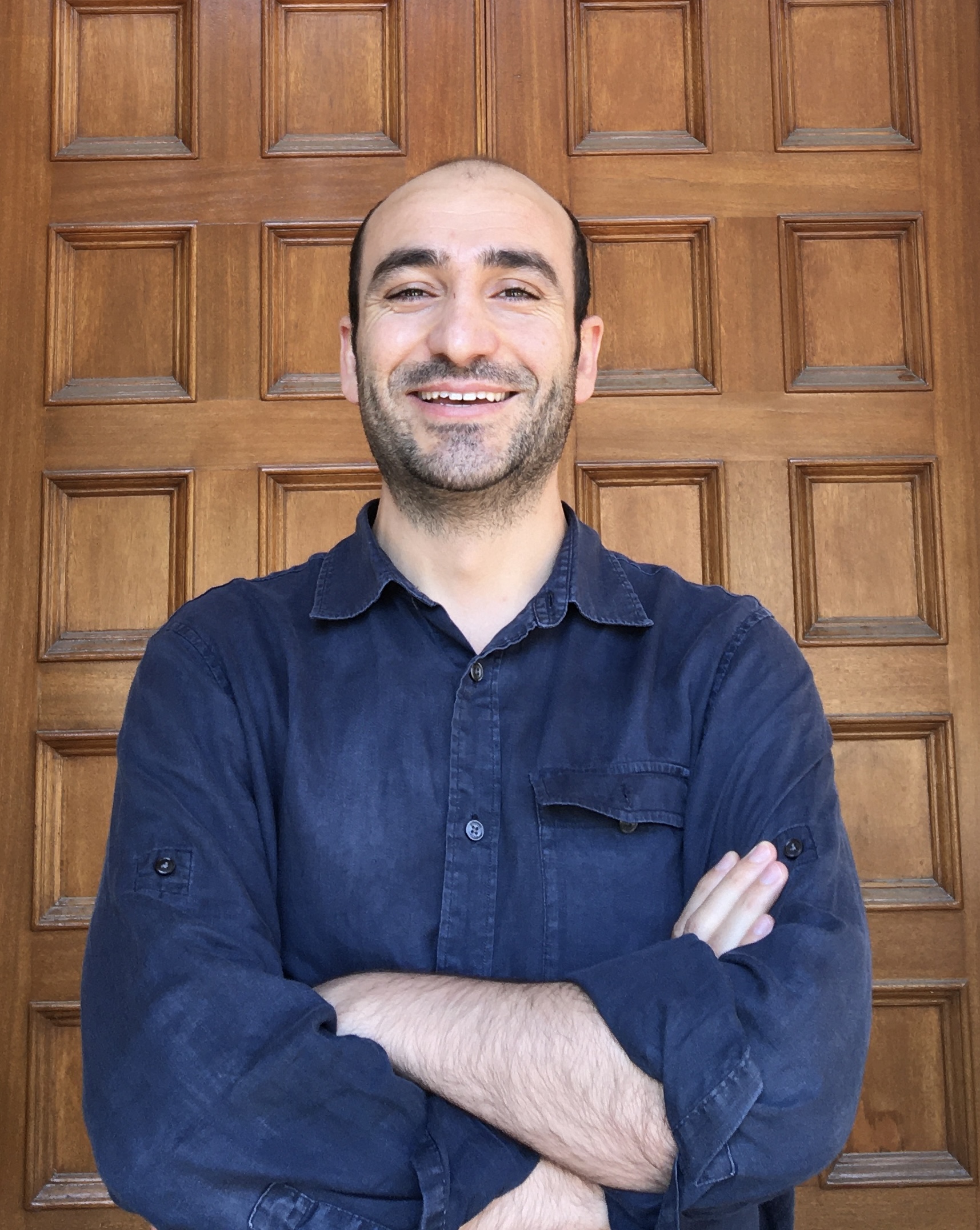
Visiting Scholar
Historian of the Modern Middle East and a Visiting Scholar at Stanford University’s Abbasi Program in Islamic Studies. He earned his Ph.D. in History from UCLA, where he completed a dissertation titled Making Majorities and Minorities: Demography, Sovereignty, and Governance in the Late Ottoman Empire (1878–1923).

PhD Student
Ph.D. student in history at Binghamton University. He received his bachelor's and master's degrees from Boğaziçi University and Bilkent University, respectively. His master's thesis examined the extent of monetization of the Ottoman economy during the fifteenth and early sixteenth centuries. His broader research interests include the social and economic history of the Ottoman Empire, the history of the Balkans, and the history of capitalism.
ftaspinar@binghamton.edu
PhD Student
Received his master’s degree in History from Bilkent University, Turkey in 2019. He is currently doing his PhD in History at Binghamton University, specializing in Early Modern Ottoman History, environmental history, and nomadism. Yunus also contributes to digital humanities projects, and is part of the ODSFH website team.
ytortam1@binghamton.edu
PhD Student
Ph.D. candidate in the Department of History at Binghamton University, whose research engages in uncovering the contradictions of transition to capitalism through the interplay of class struggles, imperial rivalries, and nation-state formations. His ongoing doctoral dissertation, Transition in Ottoman Geo-Political Accumulation Regime: Combined and Uneven Trajectories of State-Formation in the Provinces of Albania and Kurdistan, offers a long-durée comparative analysis of transformation by focusing on the two borderland societies.
duyan1@binghamton.eduOur team's research is focused on the demographic and social history of the Ottoman Empire based on census, court, and tax register documents. We transcribe and index these records in order to produce digital humanities visualizations and to develop Handwritten Text Recognition for Ottoman Turkish.
The Ottoman Empire lasted for over 600 years (ca. 1299-1922) and ruled a territory that stretched from the Eastern Gates of Vienna in the north to the Sudan and Horn of Africa in the South, from the Eastern Borders of Morocco across North Africa, and all of the Arab Middle East to the borders of Iran. It was one of the longest lived and most powerful empires in history.
It governed a huge diverse population that included numerous languages, religions, ethnicities, and races. Roughly 600 million of today's global population can trace its ancestry back to the Ottoman Empire.
As a highly bureaucratic empire, its records are vast and relatively well preserved and provide a wealth of information pertaining to demographics, social and family history. The bureaucratic language of the empire was Ottoman Turkish, which is a mix of Arabic, Turkish, and Persian. Ottoman Turkish is now a dead language that very few can now read, except for some academics and archivists.
When the empire ended in 1922, many records remained behind in the nation-states that arose in its wake across North Africa, Southeastern Europe, the Caucuses, and the Middle East. The records in these many archives include records in Ottoman Turkish, as well as documents written in many other languages.
BOA. NFS. d. nr. 28844 — Lazkiye, Vilayet of Sayda, 1851 (AH 1266)
This census was conducted in 1851 in the town of Lazkiye, within the Vilayet of Sayda. It is not the original census but rather an addendum (Zeyl) to the original record. The purpose of this census was to determine the number of newborns, deaths, and male immigrants.
The census recorded the Muslim and Nusayri populations. Total population: 69.
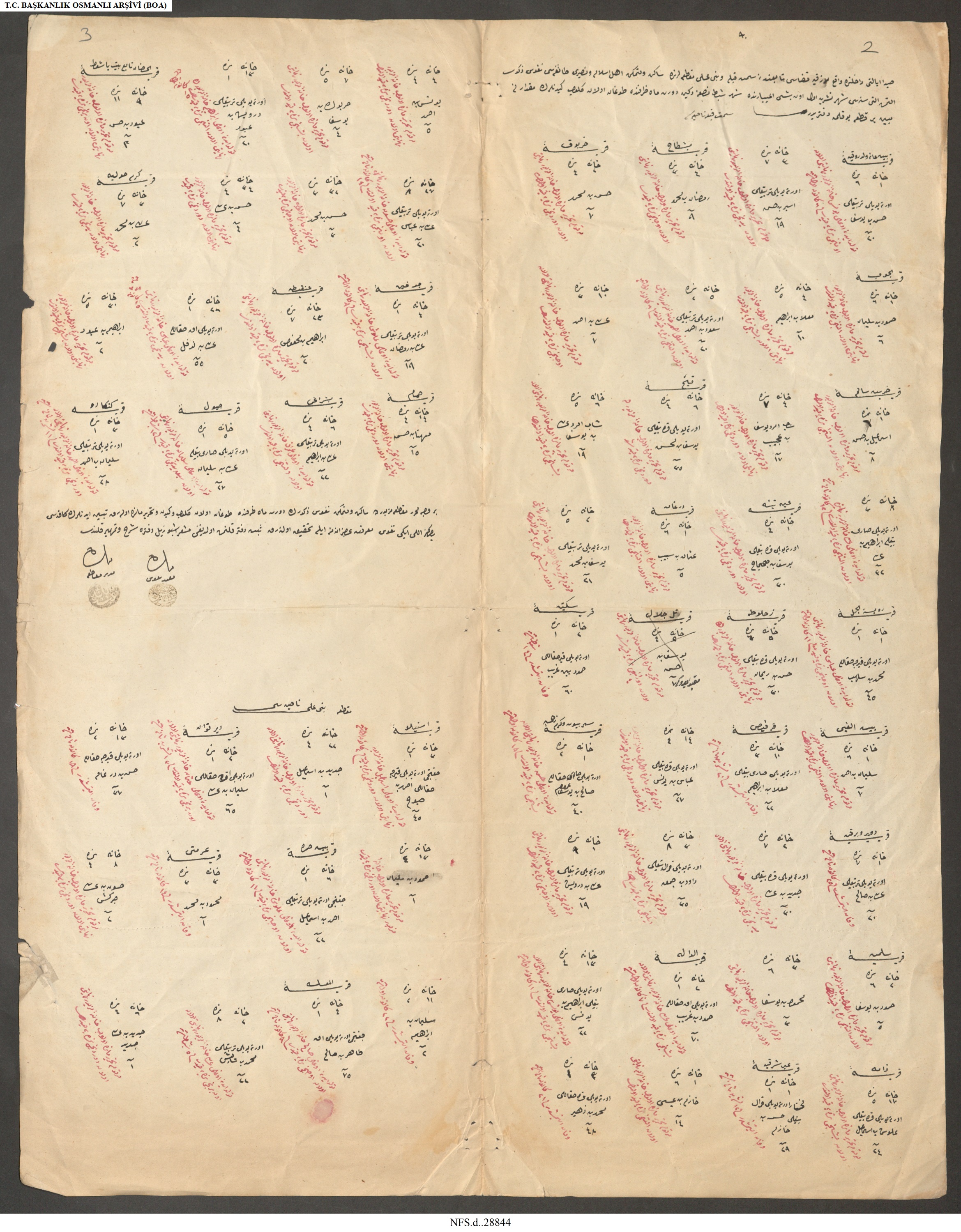
NFS d. 28844 — Page 2
| Ref # | Page | Rec # | From | Date | Calendar | Place | HH | Name | Father's Name | Gender | Life Stage | Age | Death Date | Millet | Height | Facial Features | Language | Alphabet | Notes |
|---|---|---|---|---|---|---|---|---|---|---|---|---|---|---|---|---|---|---|---|
| BOA. NFS. d. nr. 28844 | 2 | 1 | Census | 1266 | Hijri | سمت قبله ناحیهسی قریهء بیت عانه ولد روقیه | 1 | حسن | یوسف | M | 20 | اسلام | اورته | تر بیقلی | Ottoman Turkish | Persian | Yeni doğan oğlu Yunus hane sonunda kaydedilmiştir 1266 | ||
| BOA. NFS. d. nr. 28844 | 2 | 2 | Census | 1266 | Hijri | قریهء بیت عانه ولد روقیه | 3 | اسیر | حسن | M | 19 | اسلام | اورته | تر بیقلی | Ottoman Turkish | Persian | Bu kişi yazım sırasında hane sonunda 7. numaraya kayıt edilmiş | ||
| BOA. NFS. d. nr. 28844 | 2 | 3 | Census | 1266 | Hijri | قریهء بشطاح | 4 | رمضان | محمد | M | 9 | اسلام | Ottoman Turkish | Persian | Bu kişi yazım sırasında hane sonunda 3. numaraya kayıt edilmiş | ||||
| BOA. NFS. d. nr. 28844 | 2 | 4 | Census | 1266 | Hijri | قریهء خربوق | 2 | حسن | محمد | M | 7 | اسلام | Ottoman Turkish | Persian | Bu kişi yazım esnasında hane sonunda 4. numaraya kayıt edilmiş | ||||
| BOA. NFS. d. nr. 28844 | 2 | 5 | Census | 1266 | Hijri | قریهء بحوب | 1 | حمود | سلیمان | M | 6 | اسلام | Ottoman Turkish | Persian | Bu kişi yazım esnasında hane sonunda 6. numaraya kayıt edilmiş | ||||
| BOA. NFS. d. nr. 28844 | 2 | 6 | Census | 1266 | Hijri | قریهء بحوب | 4 | معلا | ابراهیم | M | 10 | اسلام | Ottoman Turkish | Persian | Bu kişi yazım esnasında hane sonunda 5. numaraya kayıt edilmiş | ||||
| BOA. NFS. d. nr. 28844 | 2 | 7 | Census | 1266 | Hijri | قریهء بحوب | 5 | سعود | احمد | M | 20 | اسلام | اورته | تر بیقلی | Ottoman Turkish | Persian | Yeni doğan oğlu Ahmed hane sonunda 6. numaraya kaydedilmiştir 1266 | ||
| BOA. NFS. d. nr. 28844 | 2 | 8 | Census | 1266 | Hijri | قریهء بحوب | 10 | علی | احمد | M | 7 | اسلام | Ottoman Turkish | Persian | Bu kişi yazım esnasında hane sonunda 3. numaraya kayıt edilmiştir | ||||
| BOA. NFS. d. nr. 28844 | 2 | 9 | Census | 1266 | Hijri | قریهء خربت سالم | 1 | اسمعیل | حسن | M | 8 | اسلام | Ottoman Turkish | Persian | Bu kişi yazım esnasında hane sonunda 6. numaraya kayıt edilmiş | ||||
| BOA. NFS. d. nr. 28844 | 2 | 10 | Census | 1266 | Hijri | قریهء خربت سالم | 4 | یوسف | عجیب | M | شاب امرد | 17 | اسلام | Ottoman Turkish | Persian | Bu kişi yazım esnasında hane sonunda 4. numaraya kayıt edilmiş | |||
| BOA. NFS. d. nr. 28844 | 2 | 11 | Census | 1266 | Hijri | قریهء قیخ | 6 | یوسف | محسن | M | 35 | اسلام | اورته | قره بیقلی | Ottoman Turkish | Persian | Bu kişi yazım esnasında hane sonunda 4. numaraya kayıt edilmiş |
Explore indexed nüfüs defters (census records) from Ottoman archives. Click on any highlighted territory to view available records.
Click a highlighted territory to view its census records · Use +/− buttons to zoom
A crowd-sourced online dictionary for Ottoman Turkish
We are creating a crowd-sourced online dictionary. This resource will allow you to search for names, words, and places – even when you are missing letters, or the letters in your document are unclear. This resource will also include some images of original source documents.

This is a preliminary list of the major scholarly publications related to Ottoman Demographic history.
For the complete, continuously updated bibliography visit our Zotero library:
VIEW ZOTERO LIBRARYAcademic gatherings and collaborative research events
Binghamton University, SUNY
MARCH 21-22, 2025The Rich Family History of the Middle East and North Africa
BEIRUT, LEBANON · MAY 17, 2025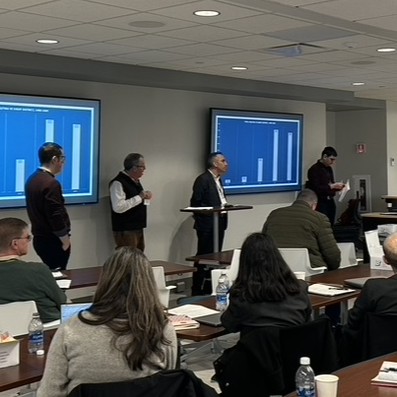
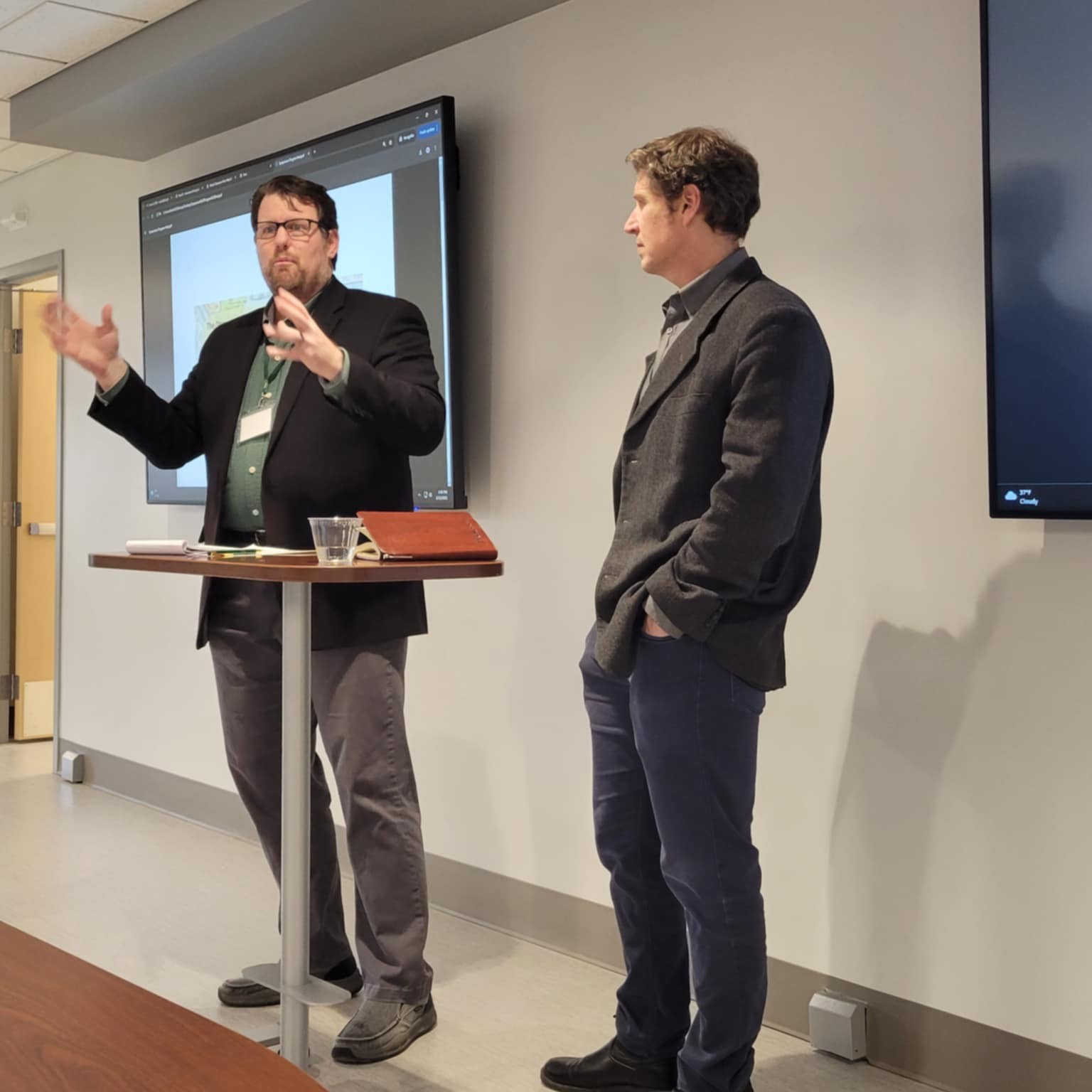
Photographs from the 2025 ODFH Symposium at Binghamton University
Connect with our research team
For academic collaborations, archive access, or research partnerships
OEDemography@gmail.com
Center for Middle East and
North African Studies
Binghamton University, SUNY
Binghamton, NY
International collaborations
Archive access requests
Academic inquiries
Visiting scholars
Please provide your details to download this indexed defter. Your information helps us understand how these records are being used.